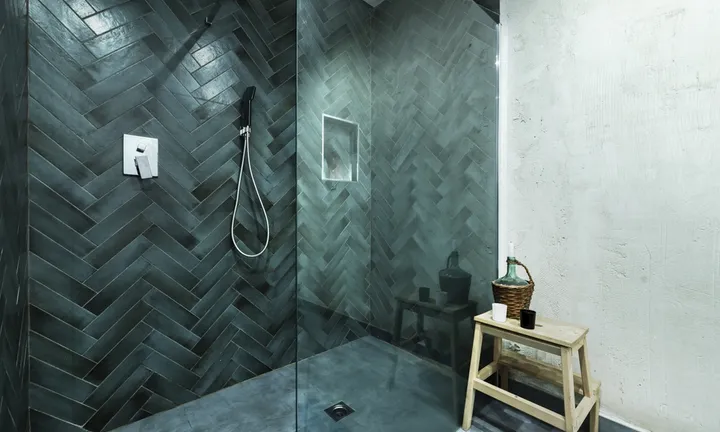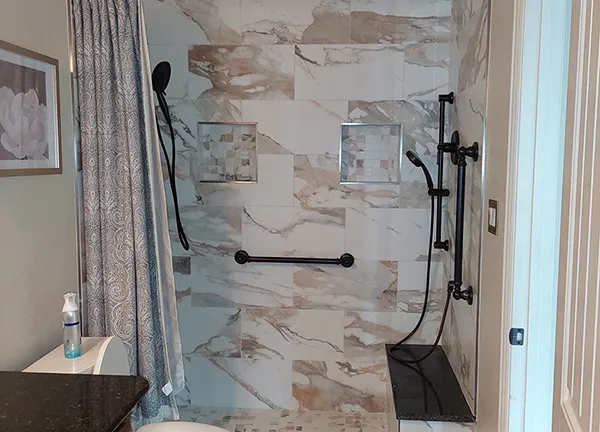
When it comes to a bathroom remodel, the question of how long it will take always lingers. Your bathroom is one of the most important parts of your home. Extensive downtime isn’t desirable. You also may be excited to see your design vision come to life!
Unfortunately, a great bathroom remodel can’t happen quickly, and there are several reasons why they take longer than you may expect.
What most owners think may take weeks really takes months when planning and design are taken into consideration. Let’s review what actually happens during the phases of a remodel and what timelines are realistic for Fort Worth homeowners.
At The Rockaway Company, we believe that when we start with honest expectations, the process feels more manageable than stressful.
Phase 1: Design and Planning (4 to 8 Weeks)
This is the phase most homeowners don’t budget time for. It’s also the phase that determines whether the rest of the project goes smoothly.
Initial Consultation and Site Measurement
First, you’ll meet with us to discuss what you want out of your remodel and what you believe is a realistic budget. From there, we perform a thorough site visit that reviews:
- Measurements of the space
- Documentation of current plumbing
- Documentation of electrical setup
- Assessment of any conditions that could negatively impact design
This typically takes one to two weeks to schedule and complete.
Design Development and Material Selection
Once measurements are in hand, design work begins. For a mid-range to upper bathroom remodel, this includes:
- Floor plans
- Fixture layouts
- Tile selections
- Vanity design or selection
- Finish coordination. Material selection sounds straightforward
In practice, it takes time. Choosing tile, fixtures, a vanity, hardware, lighting, and accessories involves real decisions with real cost implications at every turn. Homeowners who come prepared with a clear sense of their priorities move through this phase faster. Those who are still deciding between two very different design directions can add weeks.
Plan for two to four weeks in this phase, sometimes more for master bathroom remodels with custom elements.
Permits and HOA approvals
Most bathroom remodels that involve moving plumbing, adding electrical circuits, or altering structural walls require permits from the City of Fort Worth or your local municipality. Permit applications can’t be submitted until design is finalized.
Processing typically takes two to four weeks for residential bathroom projects in the DFW area, though timelines shift during peak season. Add HOA approval requirements on top of that for homeowners in Southlake, Colleyville, Keller, or other communities with architectural review processes.
This phase is the most underestimated part of any remodel. Skipping it isn’t an option on permitted work, and rushing it doesn’t make it move faster. The best approach is to start design early and submit permit applications as soon as possible.
Phase 2: Material Lead Times (2 to 12 Weeks)
Once design is finalized and materials are selected, orders get placed. This is where many projects hit an unexpected pause, and it has nothing to do with the contractor.
What’s in Stock Vs. What’s Ordered
Stock tile, standard plumbing fixtures, and off-the-shelf vanities are available quickly, sometimes within a week. Special-order tile from domestic suppliers typically runs two to four weeks. Imported tile, certain stone products, and semi-custom or custom cabinetry can run six to twelve weeks or longer depending on the manufacturer and current demand.
Why This Matters for Your Schedule
Construction can’t begin on most bathroom remodels until critical materials are on-site or confirmed for delivery during the appropriate phase. Starting demo before the replacement tile arrives creates a situation where the subfloor sits exposed waiting for materials. That’s a moisture and liability problem, not just an inconvenience.
A well-run project schedules construction to begin when materials are confirmed, not when the homeowner is eager to get started. The Rockaway Company’s design-build process accounts for material lead times during the planning phase so the construction schedule is realistic from the start, not adjusted week by week.
Phase 3: Construction (3 to 6 Weeks)
This is the phase homeowners picture when they think about how long a remodel takes. For a standard master bathroom remodel in the DFW area, plan on three to six weeks of active construction. Here’s what happens week by week.
Week 1: Demo and Rough Work
Demolition of existing tile, fixtures, vanity, and flooring typically takes two to three days for a standard bathroom. What comes next is what determines the rest of the schedule.
Rough plumbing and electrical work follows demo, including moving drain lines if the layout changes, replacing supply lines in older homes, and running any new electrical circuits for heated floors, exhaust fans, or additional lighting. This work requires inspections before it gets covered up, which adds time to the schedule but is non-negotiable.
Weeks 2 and 3: Waterproofing, Drywall, and Tile
Shower and tub surrounds require proper waterproofing before any tile goes up. Cement board or a sheet membrane system gets installed, inspected where required, and allowed to cure.
Tile installation follows, and on a full master bathroom with a large shower, a custom floor pattern, and a feature wall, tile work alone can take five to seven days. Grout, sealing, and drying time add more. This is skilled work that can’t be rushed without affecting the finished quality.
Weeks 4 and 5: Fixture Installation and Finishes
Vanity installation, plumbing trim-out, mirror and lighting installation, door hardware, and accessory placement all happen in this phase.
This is where the bathroom starts to look finished. It’s also where small coordination gaps between subcontractors show up if the project hasn’t been managed carefully. Electrical trim-out, final plumbing connections, and glass enclosure installation often involve multiple trades working in a small space in a specific sequence.
Week 6: Punch List and Final Walkthrough
No remodel finishes without a punch list. Touch-ups, adjustments, a final grout seal, and minor corrections from the construction phase get addressed here. The final walkthrough gives the homeowner and the project manager a structured opportunity to review everything before the project closes. Skipping this step saves no time and usually creates follow-up calls.
What Slows Projects Down
Delays aren’t inevitable, but they are common. Most of them come from predictable sources.
Late material selections
The single most common cause of project delays is a homeowner who hasn’t finalized tile or fixture selections when construction is scheduled to begin. Design decisions need to happen during the planning phase, not after demo starts. Every week of indecision at that stage shifts the construction schedule by at least that much.
Mid-project change orders
Changing the tile selection after it’s been ordered, deciding to move a wall that wasn’t in the original scope, or adding a feature that requires additional rough work all push the finish date. Change orders aren’t unusual. Unplanned ones are expensive in both time and cost. The more thoroughly the design phase gets worked out, the fewer surprises show up mid-construction.
Hidden conditions in older Fort Worth homes
Fort Worth has a large stock of homes built between the 1950s and 1970s. Behind the walls of those bathrooms, you sometimes find galvanized plumbing that’s well past its useful life, substandard electrical wiring, or framing that wasn’t built to current code. None of that is visible during the design phase. When it shows up during demo, it has to be addressed before construction can continue. Experienced contractors budget for contingency on older homes. Homeowners should do the same, typically 10 to 15 percent of the project budget.
Permit delays during peak season
Spring and early summer are the busiest seasons for residential remodeling permits in the DFW area. Municipal permit offices process higher volumes during this period, and review times can stretch. Starting the permitting process early, ideally while materials are still being ordered, helps avoid construction delays caused by permit timing.
A design-build firm handles permit applications as part of the project scope, which compresses the overall timeline compared to homeowners managing permits independently alongside a separate contractor.
The Rockaway Company has guided Fort Worth homeowners through bathroom remodels for 31 years. The full design-build process, from first consultation through final walkthrough, is managed by one team under one contract. That structure reduces the coordination gaps that add weeks to projects managed across multiple separate parties.
If you’re planning a bathroom remodel and want an honest conversation about timeline and scope, call The Rockaway Company at (817) 485-9855 or visit rockawayco.com to schedule a consultation.